
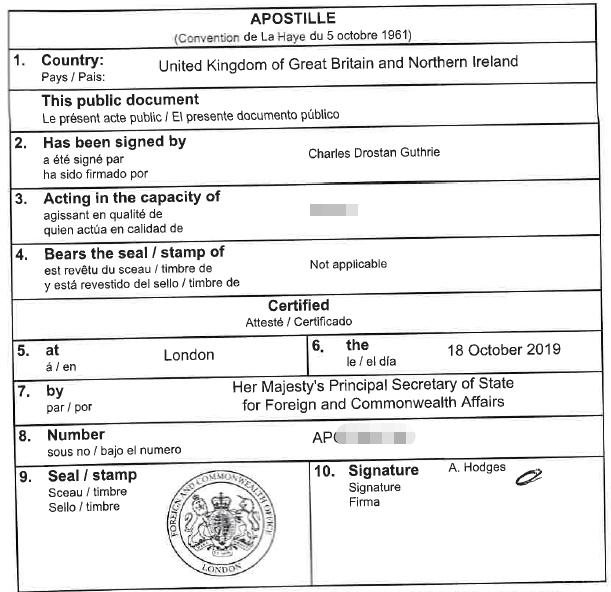
As someone who has dealt with document legalization processes, I understand the frustration and complexity of navigating the intricate legal paperwork world. That's why I want to introduce you to a powerful tool that can simplify the process for you: Apostille. In this comprehensive guide, I will explain what an apostille is, its meaning and definition, and why it is crucial in the document legalization process.

What is an apostille?
An apostille is a certification that validates the authenticity of a document for use in a foreign country. It is issued by a competent authority designated by the country where the document originates. The purpose of an apostille is to streamline the legalization process by eliminating the need for further authentication by foreign authorities.
Understanding the meaning and definition of Apostille
The word "apostille" originates from the French language and translates to "certification" or "annotation." In the context of document legalization, an apostille serves as a standardized certificate that verifies the genuineness of the document and the signature of the person who issued it. It is universally recognized under the Hague Convention of 1961, which aims to simplify the authentication of documents for international use.
The importance of Apostille in the document legalization process
The document legalization process can be a time-consuming and complex endeavour. Without proper authentication, foreign authorities may not recognize or accept your documents. This is where the Apostille plays a crucial role. By obtaining an apostille, you ensure that your documents are recognized and accepted in countries that are signatories to the Hague Convention. This saves you valuable time and effort that would otherwise be spent on additional steps of verification and legalization.
How to get an apostille stamp
Obtaining an apostille stamp may seem daunting, but it can be straightforward if you know the necessary steps. The first step is to determine the competent authority in your country that issues apostilles. This authority is typically the Ministry of Foreign Affairs or a designated government agency. Once you have identified the competent authority, you must submit your original documents and any required supporting materials. The competent authority will review your records, verify their authenticity, and affix the apostille stamp.
The process of apostille legalization
The process of apostille legalization involves several key steps. First, you need to gather the documents that require apostille certification. These documents range from birth certificates and marriage licenses to educational diplomas and business contracts. Once you have collected the necessary documents, you must submit them to the competent authority for review. The competent authority will then authenticate the documents and attach the apostille certificate. Finally, you will receive the apostilled documents, which can now be used legally in foreign countries.
Common misconceptions about Apostille
There are several misconceptions surrounding Apostille that can create confusion and misinformation. One common misconception is that Apostille is only required for personal documents such as birth certificates or marriage licenses. Apostille can be necessary for many documents, including legal agreements, educational records, and business-related paperwork. Another misconception is that Apostille is a complex and time-consuming process. While it does involve specific steps and procedures, obtaining an apostille can be relatively straightforward if you follow the correct guidelines and work with a reputable service provider.
Benefits of using apostille services
Using apostille services can offer numerous benefits that streamline the document legalization process. One of the key advantages is the expertise and knowledge that apostille service providers possess. They are well-versed in the requirements and procedures of different countries, ensuring that your documents are properly authenticated and apostilled. Additionally, apostille services can save you valuable time and effort by handling the entire process on your behalf. This frees you up to focus on other essential aspects of your personal or professional life while ensuring that your documents are legally recognized in foreign jurisdictions.
Tips for a smooth apostille process
To ensure a smooth apostille process, it is essential to keep a few key tips in mind. First, thoroughly research the requirements and procedures of the country where your documents will be used. This will help you gather the necessary supporting materials and ensure that your papers meet the specific criteria for apostille certification. Second, consider working with a reputable apostille service provider. They can guide you through the process, handle the paperwork, and ensure your documents are correctly apostilled. Lastly, always allow ample time for the apostille process, which may take several weeks or months, depending on the country and the document volume.
Conclusion: Simplify your document legalization with Apostille
In conclusion, the Apostille is a powerful tool that simplifies the legalization of documents. Obtaining an apostille ensures that your documents are recognized and accepted in foreign countries without further authentication. Understanding the meaning and definition of Apostille and the steps involved in obtaining an apostille stamp is crucial for streamlining your document legalization process. Remember to dispel common misconceptions about Apostille and consider utilizing apostille services for a smoother and more efficient experience. With Apostille, you can quickly and confidently navigate the complex world of document legalization.