


Starting a company in Estonia with e-Residency involves several steps:
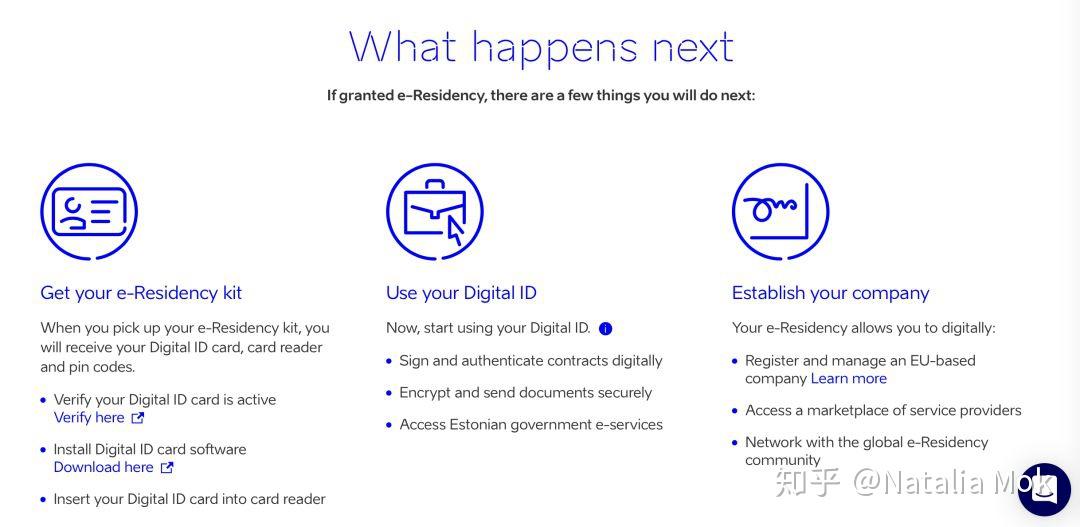
1. Obtain your e-Residency digital ID as described in the previous answer.
2. Choose a unique name for your company and check its availability in the Estonian Business Register.
3. Decide on the type of company you want to establish. The most common types are the private limited company (OÜ) and the public limited company (AS).
4. Draft the company's articles of association, which outline the company's purpose, share capital, management structure, and other essential details.
5. Open a bank account for your company with an Estonian bank or fintech service provider that accepts e-Residents. Some popular options include LHV Bank, Transferwise (now Wise), and Holvi.
6. Deposit the minimum share capital required for your chosen company type. The minimum share capital for a private limited company (OÜ) is €2,500, but it can be deferred until the company is established.
7. Log in to the Estonian e-Business Register using your e-Resident digital ID and submit the online application for registering your company. You must provide the company's articles of association, share capital information, and details of the company's shareholders, directors, and beneficial owners.
8. Pay the state fee for registering your company, typically around €190 for a private limited company (OÜ).
9. Once your application is approved, your company will be added to the Estonian Business Register, and you will receive a registration number and certificate.
10. After registration, you can start a business through your Estonian company, issue invoices, sign contracts, and access online banking and payment services.


It's important to note that while the process of setting up a company in Estonia is relatively straightforward, it's advisable to seek guidance from a professional service provider, such as a law firm or accounting firm specializing in e-Residency, to ensure compliance with Estonian regulations and to help with ongoing company management and reporting requirements.