


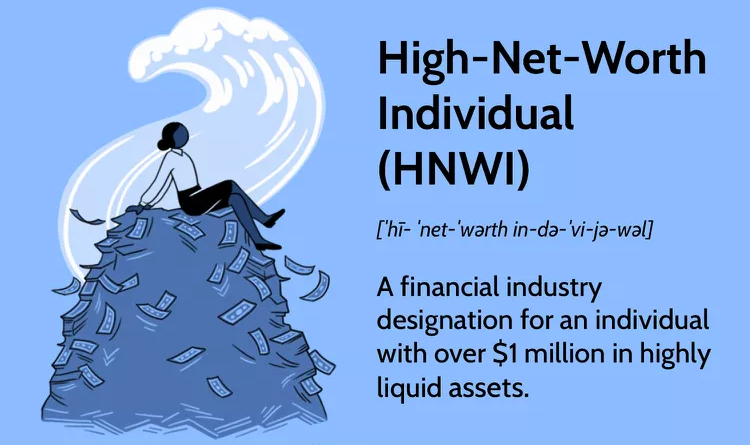
As the global economy continues to evolve, the concept of high-net-worth individuals (HNWIs) has garnered increased attention. HNWIs possess substantial financial assets and can significantly contribute to the economy. HNWIs are crucial in shaping various industries and driving economic growth in the United States. In this article, we will delve into the definition of a high net-worth individual in the US, explore the criteria for classification, compare HNWIs in the US and the UK, analyze their significance in the global economy, identify the countries with the highest number of HNWIs, discuss the industries that attract them, examine the challenges and opportunities they face, and provide strategies for effective wealth management. Let's embark on this journey of unravelling the world of high-net-worth individuals.


Definition of a High Net-Worth Individual in the US
A high-net-worth individual in the US is typically defined as someone with investable assets exceeding a certain threshold. The exact threshold may vary depending on the source and context, but it generally ranges from $1 million to $30 million or more. These assets include cash, stocks, bonds, real estate, businesses, and other valuable investments. It is important to note that the definition of a high-net-worth individual may also consider factors such as income, net worth, and liquidity.
The Criteria for Being Classified as a High Net-Worth Individual
To be classified as a high-net-worth individual in the US, one must meet specific criteria beyond the threshold of investable assets. These criteria often include income level, net worth, and financial stability. However, it is crucial to emphasize that the requirements may differ among financial institutions, wealth management firms, and regulatory bodies. Some standard criteria include having an annual income above a certain threshold (e.g., $200,000 for individuals or $300,000 for couples), possessing a high net worth (e.g., $5 million or more), or being a specific professional or social group member.
Comparison of High Net-Worth Individuals in the US and the UK
While the definition of a high net-worth individual may be similar in the US and the UK, there are notable differences in thresholds and financial regulations. In the UK, for instance, "high net worth individual" refers to individuals with a net worth of £1 million or more, excluding their primary residence. Additionally, the UK has specific programs such as the Tier 1 Investor Visa, which allows individuals with a high net worth to invest a significant amount in the country in exchange for residency.
The Significance of High Net-Worth Individuals in the Global Economy
High-net-worth individuals play a pivotal role in driving economic growth and prosperity on a global scale. Their substantial financial resources enable them to invest in various industries, create employment opportunities, and stimulate innovation. They contribute to the growth of businesses, support philanthropic initiatives, and drive consumer spending. The presence of HNWIs in a country attracts foreign investments, fosters entrepreneurship, and enhances overall economic competitiveness. Their influence extends beyond financial contributions, as they often hold power and influence in politics and society.
Countries with the Highest Number of High Net Worth Individuals
The distribution of high-net-worth individuals is not uniform across the globe. Certain countries have a higher concentration of HNWIs than others. According to recent reports, the United States leads the pack with the highest number of HNWIs, followed by countries such as China, Japan, Germany, and the United Kingdom. The presence of HNWIs in these countries contributes significantly to their respective economies and highlights their status as global financial centres.
Industries that Attract High Net Worth Individuals
High-worth individuals are drawn to industries that offer wealth creation and growth opportunities. Some sectors that attract HNWIs include finance and investment, real estate, technology, healthcare, luxury goods, and hospitality. These sectors allow HNWIs to invest, diversify their portfolios, and generate substantial returns. Moreover, HNWIs often seek out industries aligning with their interests and values, such as sustainable investments or philanthropic ventures.
Challenges and Opportunities for High Net Worth Individuals
Despite their financial prowess, high-net-worth individuals face their fair share of challenges. Managing and preserving wealth can be complex, requiring careful planning, risk management, and professional guidance. HNWIs also encounter unique tax considerations, legal complexities, and regulatory requirements. However, these challenges present opportunities for HNWIs to engage in strategic wealth management, explore innovative investment strategies, and leverage their financial resources to positively impact society. Additionally, HNWIs have the opportunity to leave a lasting legacy through philanthropy and social responsibility initiatives.
Strategies for Wealth Management for High Net-Worth Individuals
Effective wealth management is crucial for high-net-worth individuals to safeguard and grow their assets. Some key strategies for wealth management include diversification of investments, regular review of financial plans, engaging with trusted advisors, and staying informed about market trends and opportunities. HNWIs may also consider setting up family offices or private wealth management firms to oversee their financial affairs. These entities provide tailored services such as investment management, estate planning, tax optimization, and philanthropic advisory.
Conclusion and Key Takeaways
In the US, High net worth individuals have significant financial assets that contribute to the economy and shape various industries. The criteria for classification may include investable assets, income level, and net worth. HNWIs are crucial in driving global economic growth and are concentrated in the US, China, Japan, Germany, and the UK. They are attracted to industries that offer opportunities for wealth creation, and they face unique challenges and opportunities in managing and preserving their wealth. By adopting effective wealth management strategies, HNWIs can navigate these challenges and make a lasting impact on society.
In conclusion, high-net-worth individuals are a vital component of the global economy, and understanding their definition, significance, and challenges is crucial for individuals and institutions alike. As the world continues to evolve, HNWIs will continue to shape the economic landscape and contribute to the prosperity of nations.