
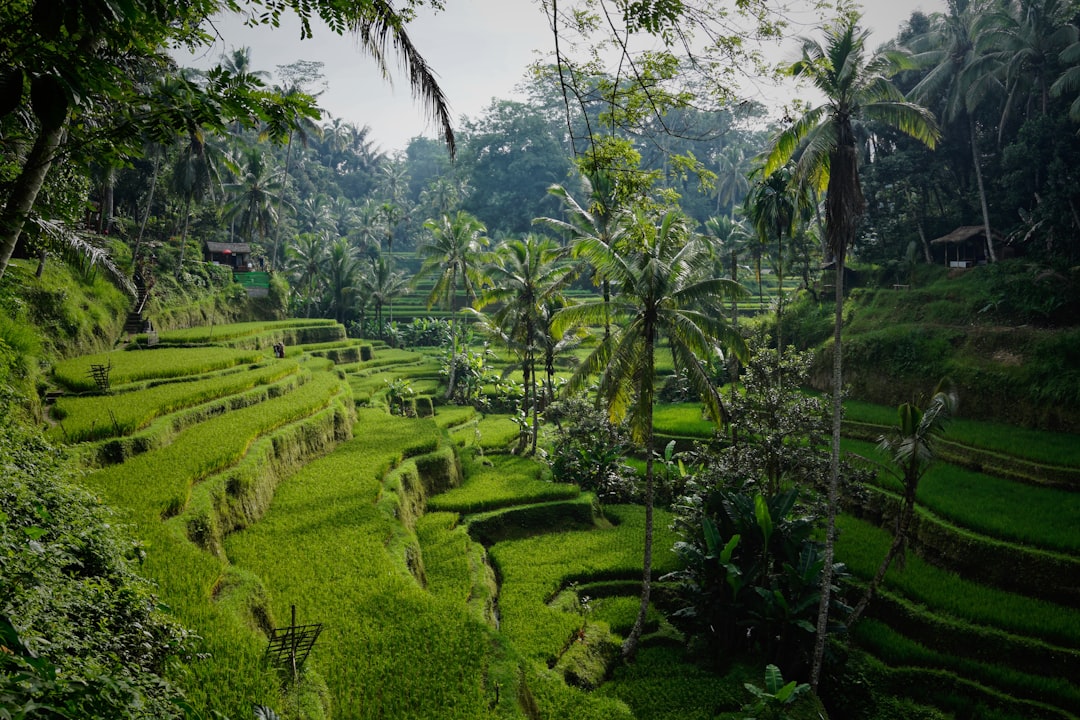
As a digital nomad who has explored numerous destinations around the globe, I can confidently say that Bali stands out as a prime location for remote workers. This Indonesian paradise has become a mecca for digital nomads, offering a unique blend of stunning landscapes, rich culture, and modern amenities that cater to the needs of location-independent professionals.
When I first set foot on this enchanting island, I was immediately struck by its magnetic appeal. The lush jungles, pristine beaches, and vibrant local communities create an inspiring and conducive environment to productivity. It's no wonder that Bali has earned its reputation as the "Island of the Gods" – a moniker that takes on new meaning for digital nomads seeking a slice of paradise to call their temporary home.

In this comprehensive guide, we'll explore why Bali has become the top choice for digital nomads worldwide. From its affordable living costs to its thriving expat community, we'll delve into every aspect that makes this tropical haven an ideal destination for those looking to combine work and play in a truly extraordinary setting.
The Rise of Digital Nomadism in Bali
The concept of digital nomadism has gained tremendous momentum in recent years, and Bali has been at the forefront of this global movement. I've witnessed firsthand the transformation of this island from a popular tourist destination to a bustling hub for remote workers from all corners of the world.
Several factors have contributed to Bali's rise as a digital nomad hotspot:
- Improved Infrastructure: The island has seen significant improvements in internet connectivity and coworking spaces, making it easier for digital nomads to work efficiently.
- Cost of Living: Compared to many Western countries, Bali offers an affordable lifestyle without compromising quality.
- Work-Life Balance: The laid-back atmosphere and abundance of recreational activities provide the perfect environment for maintaining a healthy work-life balance.
- Supportive Community: A growing network of like-minded individuals has fostered a sense of belonging and collaboration among digital nomads.
As more people embrace the freedom of remote work, Bali continues to evolve to meet the needs of this burgeoning community. The island's ability to adapt and cater to digital nomads has solidified its position as a top destination for those seeking a blend of productivity and paradise.
Why Bali Attracts Digital Nomads
Bali's allure for digital nomads goes beyond its picturesque landscapes and tropical climate. Having spent considerable time here, I can attest to the multitude of factors that make this island an irresistible destination for remote workers:
- Cultural Richness: The Balinese culture is deeply rooted in spirituality and tradition, offering a unique and enriching experience for those seeking personal growth alongside professional development.
- Natural Beauty: From terraced rice fields to volcanic mountains and pristine beaches, Bali's diverse landscapes provide endless inspiration and opportunities for adventure.
- Wellness Focus: The island is renowned for its wellness offerings, including yoga retreats, meditation centers, and holistic healing practices, which align perfectly with the digital nomad lifestyle.
- Entrepreneurial Ecosystem: Bali has fostered a thriving startup scene, attracting entrepreneurs and freelancers from various industries, creating a dynamic and innovative environment.
- Ease of Networking: The close-knit expat community and numerous networking events make it easy to connect with like-minded individuals and potential collaborators.
These factors combine to create an environment that not only supports professional growth but also encourages personal development and a balanced lifestyle. It's this holistic approach to living and working that continues to draw digital nomads to Bali's shores.
Best Areas in Bali for Digital Nomads
During my time in Bali, I've explored various regions of the island, each offering its unique charm and benefits for digital nomads. Here's a breakdown of the top areas that cater to the remote working lifestyle:
- Canggu
- Known for its hip cafes and coworking spaces
- Popular among younger digital nomads and surfers
- Offers a good balance of work and play
- Ubud
- Cultural heart of Bali, perfect for those seeking a more spiritual experience
- Surrounded by lush jungles and rice terraces
- Home to numerous yoga studios and wellness centers
- Seminyak
- Upscale area with luxury accommodations and fine dining
- Ideal for digital nomads who prefer a more sophisticated atmosphere
- Beautiful beaches and vibrant nightlife
- Uluwatu
- Located on the southern tip of Bali
- Known for its stunning clifftop views and world-class surfing
- Quieter and more secluded than other areas
- Sanur
- Laid-back coastal town with a more traditional feel
- Popular among older digital nomads and families
- Offers a slower pace of life compared to other tourist areas
Each of these areas has its unique vibe and advantages, catering to different preferences and work styles. I recommend spending time in various locations to find the one that best suits your needs as a digital nomad.
Visa Options for Digital Nomads in Bali
Navigating visa options is a crucial aspect of planning your digital nomad journey in Bali. While Indonesia has yet to introduce a specific digital nomad visa, there are several options available for remote workers:
- Tourist Visa:
- Valid for 30 days
- Can be extended once for an additional 30 days
- Suitable for short-term stays or to test the waters
- Visa on Arrival (VOA):
- Valid for 30 days
- Can be extended for up to 60 days total
- Available for citizens of many countries
- Social-Cultural Visa (B-211):
- Valid for 60 days
- Can be extended up to 4 times, for a total stay of 180 days
- Requires a sponsor letter from an Indonesian citizen or organization
- Business Visa:
- Suitable for those working with Indonesian companies or attending business meetings
- Multiple-entry options available
- Validity ranges from 60 days to 1 year
It's important to note that these visa options are subject to change, and it's always best to check the latest information from official sources. As a digital nomad, I've found that the Social-Cultural Visa offers the most flexibility for longer stays, but it does require some additional paperwork and planning.
Ready to embark on your Bali digital nomad adventure? Don't let visa concerns hold you back! Reach out to a reputable visa agent in Bali to explore your options and ensure a smooth transition to island life. Take the first step towards your dream lifestyle today!
Working in Bali: Coworking Spaces and Internet Connectivity
One of the most crucial aspects of the digital nomad lifestyle is having reliable internet and comfortable workspaces. Fortunately, Bali has made significant strides in this area, offering a variety of options to suit different work styles and preferences.
Coworking Spaces
Bali boasts an impressive array of coworking spaces, each with its unique atmosphere and amenities. Some of my favorite spots include:
- Dojo Bali (Canggu): A vibrant community hub with a pool, garden, and various work areas.
- Outpost (Ubud and Canggu): Known for its beautiful design and networking events.
- Hubud (Ubud): One of the first coworking spaces in Bali, offering a jungle view and strong community focus.
- Biliq (Seminyak): A boutique coworking space with a more intimate feel.
These spaces not only provide fast internet and comfortable workstations but also serve as excellent networking hubs where you can connect with fellow digital nomads and potentially find new collaborators or clients.
Internet Connectivity
While Bali's internet infrastructure has improved significantly in recent years, it's still not on par with what you might find in major cities. However, with some planning, you can ensure a stable connection for your work:
- 4G/LTE: Mobile data is widely available and can be a reliable backup option. I recommend getting a local SIM card from providers like Telkomsel or XL Axiata.
- Fiber Optic: Many areas now have fiber optic connections, offering faster and more stable internet. When choosing accommodation, always inquire about the type of internet connection available.
- Portable Wi-Fi: Consider investing in a portable Wi-Fi device for added flexibility and backup internet on the go.
By combining these options and having backup plans, I've found that maintaining a stable internet connection in Bali is entirely feasible for most digital nomad work requirements.
Living Costs for Digital Nomads in Bali
One of the most attractive aspects of Bali for digital nomads is the relatively low cost of living compared to many Western countries. However, it's important to note that expenses can vary significantly depending on your lifestyle choices and location on the island.
Here's a breakdown of typical monthly expenses for a digital nomad in Bali:
| Expense Category | Budget Range (USD) | Notes |
|---|---|---|
| Accommodation | $300 - $1000+ | Varies from basic rooms to luxury villas |
| Food | $200 - $600 | Local warungs to high-end restaurants |
| Transportation | $50 - $150 | Scooter rental or ride-hailing apps |
| Coworking Space | $100 - $250 | Depends on frequency of use |
| Entertainment | $100 - $300 | Activities, nightlife, etc. |
| Health Insurance | $50 - $150 | Essential for peace of mind |
| Miscellaneous | $100 - $200 | Personal items, shopping, etc. |
Total Range: $900 - $2650+ per month
These figures are approximate and can fluctuate based on individual preferences and lifestyle choices. I've found that it's possible to live comfortably in Bali on a budget of around $1000-$1500 per month, while those seeking more luxury can easily spend $2000 or more.
It's worth noting that certain areas like Canggu and Seminyak tend to be more expensive, while places like Ubud or less touristy areas can offer more budget-friendly options. By balancing your choices and being mindful of your spending, you can create a sustainable and enjoyable lifestyle in Bali without breaking the bank.
Balancing Work and Play: Leisure Activities in Bali
One of the greatest advantages of being a digital nomad in Bali is the abundance of leisure activities available to balance out your work life. The island offers a diverse range of experiences that cater to various interests and preferences. Here are some of my favorite ways to unwind and explore:
- Beach Activities:
- Surfing at world-renowned spots like Uluwatu or Canggu
- Snorkeling or diving in crystal-clear waters
- Relaxing on pristine beaches like Nusa Dua or Jimbaran
- Cultural Experiences:
- Visiting ancient temples such as Tanah Lot or Uluwatu
- Attending traditional Balinese dance performances
- Participating in local ceremonies and festivals
- Wellness and Spirituality:
- Joining yoga classes or retreats in Ubud
- Trying holistic healing treatments
- Meditating in serene rice fields or by the ocean
- Nature and Adventure:
- Hiking Mount Batur for a sunrise view
- Exploring the Tegalalang Rice Terraces
- Chasing waterfalls like Tegenungan or Sekumpul
- Culinary Experiences:
- Taking a Balinese cooking class
- Exploring local markets and warungs
- Indulging in fine dining at world-class restaurants
- Nightlife and Entertainment:
- Enjoying sunset drinks at beach clubs in Seminyak
- Dancing the night away at Canggu's vibrant bars
- Attending live music events and cultural performances
The key to maintaining a healthy work-life balance in Bali is to integrate these activities into your routine. I often start my day with a sunrise surf session or yoga class before diving into work, and end it with a relaxing massage or beachside dinner. This approach not only enhances productivity but also ensures that you're making the most of Bali's unique offerings.
Transportation for Digital Nomads in Bali
Navigating Bali efficiently is crucial for digital nomads who want to explore the island while maintaining their work schedule. Here are the primary transportation options I've found most useful during my time in Bali:
- Scooter Rental:
- Most popular and flexible option
- Costs around $50-$70 per month
- Requires an international driver's license
- Be cautious of traffic and road conditions
- Ride-Hailing Apps:
- Gojek and Grab are widely used
- Convenient for short trips or when you don't want to drive
- Can be more expensive than renting a scooter long-term
- Car Rental:
- Useful for longer trips or group travel
- More expensive than scooters, around $200-$300 per month
- Provides better safety and comfort in the rainy season
- Bicycle:
- Eco-friendly option for short distances
- Popular in areas like Ubud
- Limited practicality for longer journeys
- Private Driver:
- Ideal for airport transfers or day trips
- Can be arranged through your accommodation or apps
- More expensive but offers convenience and local knowledge
When choosing your mode of transportation, consider factors such as your daily commute to coworking spaces, the areas you'll be exploring, and your comfort level with Bali's traffic. I prefer a combination of scooter rental for daily use and ride-hailing apps for nights out or longer trips.
Remember that traffic in Bali can be challenging, especially in popular areas during peak hours. Plan your journeys accordingly and always prioritize safety over speed.
Health and Safety Considerations for Digital Nomads
While Bali offers an idyllic setting for digital nomads, it's essential to prioritize your health and safety to ensure a smooth and enjoyable stay. Here are some key considerations I've learned to keep in mind:
- Health Insurance:
- Invest in comprehensive travel insurance that covers medical emergencies
- Consider international health insurance for longer stays
- Familiarize yourself with local hospitals and clinics
- Vaccinations and Medications:
- Consult your doctor about necessary vaccinations before travel
- Bring an ample supply of any prescription medications
- Consider malaria prophylaxis if visiting rural areas
- Food and Water Safety:
- Stick to bottled water for drinking and brushing teeth
- Be cautious with street food and raw vegetables
- Choose reputable restaurants, especially for seafood
- Road Safety:
- Always wear a helmet when riding a scooter
- Be extra cautious when driving, as traffic rules are often loosely followed
- Consider using ride-hailing apps at night or after consuming alcohol
- Natural Disasters:
- Bali is in a seismically active region; be aware of earthquake and tsunami protocols
- During rainy season, be cautious of flooding and landslides
- Personal Safety:
- While Bali is generally safe, exercise normal precautions against petty theft
- Be respectful of local customs and dress codes, especially at temples
- Avoid illegal drugs, as Indonesia has severe penalties
- Sun Protection:
- Use high SPF sunscreen and stay hydrated in the tropical climate
- Be cautious of heat exhaustion and sunstroke
By being proactive about your health and safety, you can focus on enjoying all that Bali has to offer while maintaining your productivity as a digital nomad.
Bali's Digital Nomad Community and Networking Opportunities
One of the most enriching aspects of being a digital nomad in Bali is the vibrant and supportive community. The island has become a melting pot of creative and entrepreneurial individuals from around the world, offering countless opportunities for networking, collaboration, and personal growth.
Community Hubs
- Coworking Spaces:
- Often host events, workshops, and networking sessions
- Great for meeting like-minded professionals
- Cafes and Restaurants:
- Popular spots like Peloton Supershop in Canggu or Clear Cafe in Ubud
- Informal settings for casual networking
- Beach Clubs:
- Venues like Finn's Beach Club or La Brisa
- Perfect for combining work and leisure
Networking Events
- Startup Grind Bali: Regular events featuring successful entrepreneurs and innovators
- Ubud Writers & Readers Festival: Annual event attracting creatives from various fields
- TEDxUbud: Inspiring talks from local and international speakers
- Digital Nomad Meetups: Organized through platforms like Meetup.com or Facebook groups
Online Communities
- Facebook Groups:
- "Bali Digital Nomads"
- "Canggu Community"
- "Ubud Community"
- Slack Channels: Many coworking spaces have their Slack communities
- LinkedIn Local Events: Professional networking opportunities
Skill-sharing and Workshops
Many digital nomads in Bali organize informal skill-sharing sessions or workshops. These can range from coding bootcamps to marketing strategy sessions, providing valuable opportunities for professional development.
By actively participating in these community events and networking opportunities, I've found that it's possible to build a strong professional network, find potential clients or collaborators, and even form lasting friendships. The supportive and collaborative nature of Bali's digital nomad community is truly one of its greatest assets.
Tips for Flying Into Bali as a Digital Nomad
As a digital nomad preparing to start your Bali adventure, there are several key considerations to keep in mind when planning your arrival. Here are some tips I've gathered from my experiences flying into Bali:
- Choose the Right Airport:
- Ngurah Rai International Airport (DPS) in Denpasar is the main gateway
- Consider flights to Jakarta or Surabaya for potentially cheaper options, then take a domestic flight to Bali
- Visa Preparation:
- Check if your country is eligible for Visa on Arrival (VOA)
- Have necessary documents ready, including proof of onward travel and sufficient funds
- Arrival Timing:
- Late-night arrivals can mean less traffic to your accommodation
- Early morning arrivals allow you to make the most of your first day
- Transportation from the Airport:
- Pre-arrange airport pickup through your accommodation for convenience
- Use official airport taxis or ride-hailing apps like Grab or Gojek
- Currency Exchange:
- Exchange some money at the airport for initial expenses
- Use ATMs for better rates once you're settled
- SIM Card:
- Purchase a local SIM card at the airport for immediate connectivity
- Compare plans from providers like Telkomsel, XL Axiata, or Indosat
- Accommodation for the First Few Nights:
- Book a hotel or guesthouse for the initial period
- Use this time to explore areas and find long-term accommodation
- Jet Lag Management:
- Adjust your sleep schedule a few days before flying
- Stay hydrated and try to sync with local time upon arrival
- Essential Items in Carry-on:
- Pack your laptop, chargers, and any crucial work items in your carry-on
- Include a change of clothes in case of luggage delays
- Health Precautions:
- Carry any necessary medications in your hand luggage
- Consider travel insurance that covers flight delays or cancellations
By following these tips, you can ensure a smooth arrival in Bali and start your digital nomad journey on the right foot. Remember, flexibility and patience are key when transitioning to a new environment, so allow yourself time to adjust and settle into the Bali rhythm.
Accommodation Options for Digital Nomads in Bali
Finding the right accommodation is crucial for a successful digital nomad experience in Bali. The island offers a wide range of options to suit various budgets and preferences. Here's an overview of the main types of accommodation available:
- Guesthouses and Homestays:
- Budget-friendly option
- Opportunity to experience local culture
- Often include basic amenities, and sometimes breakfast
- Ideal for short-term stays or while searching for long-term options
- Serviced Apartments:
- Mid-range option with more privacy
- Usually include kitchen facilities and regular cleaning
- Good for medium to long-term stays
- Often found in expat-friendly areas
- Villas:
- Luxury option with private space and amenities
- Can be cost-effective if sharing with other digital nomads
- Often include pools, gardens, and housekeeping services
- Ideal for those seeking a high-end living experience
- Coliving Spaces:
- Designed specifically for digital nomads
- Combine private rooms with shared common areas
- Often include coworking spaces and community events
- Great for networking and meeting like-minded individuals
- Hotels:
- Suitable for short-term stays or transitions
- Range from budget to luxury options
- Convenient but can be expensive for long-term stays
- Long-term Rentals:
- Houses or apartments rented monthly
- Require more setup (utilities, internet, etc.) but offer stability
- Can be found through local agents or Facebook groups
When choosing accommodation, consider factors such as:
- Proximity to coworking spaces or cafes
- Internet speed and reliability
- Noise levels (especially in tourist areas)
- Access to amenities like gyms, pools, or beaches
- Community aspect (if you're looking to connect with other nomads)
I recommend starting with a short-term option like a guesthouse or coliving space while you explore different areas and determine your preferences. This allows for flexibility as you settle into Bali life and find the perfect long-term solution for your digital nomad lifestyle.
Challenges and Solutions for Digital Nomads in Bali
While Bali offers an incredible environment for digital nomads, it's not without its challenges. Being aware of these potential hurdles and having strategies to overcome them can greatly enhance your experience. Here are some common challenges I've encountered and the solutions I've found effective:
- Internet Reliability
- Challenge: Occasional power outages and internet disruptions
- Solution:
- Have multiple internet options (e.g., local SIM card as backup)
- Use coworking spaces with reliable connections for important calls or deadlines
- Visa Limitations
- Challenge: Lack of specific digital nomad visa
- Solution:
- Plan visa runs or extensions in advance
- Consider working with a visa agent for longer-term options
- Cultural Differences
- Challenge: Adjusting to local customs and communication styles
- Solution:
- Learn basic Bahasa Indonesia
- Participate in cultural events and workshops to better understand local culture
- Health Concerns
- Challenge: Different health standards and tropical diseases
- Solution:
- Invest in comprehensive health insurance
- Stay up-to-date with vaccinations
- Be cautious with food and water consumption
- Work-Life Balance
- Challenge: Temptation to prioritize leisure over work
- Solution:
- Establish a routine and set clear work hours
- Use productivity tools to stay on track
- Loneliness and Isolation
- Challenge: Being away from familiar support systems
- Solution:
- Actively participate in digital nomad communities and events
- Maintain regular contact with friends and family back home
- Financial Management
- Challenge: Dealing with currency exchange and international banking
- Solution:
- Use digital banking solutions designed for travelers
- Keep track of expenses and exchange rates
- Transportation Issues
- Challenge: Traffic congestion and road safety concerns
- Solution:
- Plan travel times accordingly, especially during peak hours
- Consider living close to your primary work location
- Seasonal Challenges
- Challenge: Rainy season can affect daily life and travel plans
- Solution:
- Plan indoor activities and have alternative work spaces during rainy periods
- Consider timing longer trips during the dry season
- Professional Development
- Challenge: Staying competitive in your field while abroad
- Solution:
- Attend online courses and webinars
- Network with other professionals in Bali's digital nomad community
By anticipating these challenges and implementing proactive solutions, you can navigate the potential pitfalls of digital nomad life in Bali more smoothly. Remember, flexibility and adaptability are key traits for thriving in this lifestyle.
Conclusion: Is Bali Right for Your Digital Nomad Journey?
After exploring the various aspects of life as a digital nomad in Bali, it's clear that this tropical paradise offers a unique and compelling environment for remote workers. The combination of stunning natural beauty, rich culture, affordable living costs, and a thriving expat community makes Bali an attractive destination for those seeking to blend work and lifestyle.
However, it's important to consider whether Bali aligns with your personal and professional goals. Here are some key points to reflect on:
- Work Requirements: Does your work allow for the occasional internet hiccup, or do you need rock-solid connectivity at all times?
- Lifestyle Preferences: Are you drawn to the laid-back island vibe, or do you thrive in more urban environments?
- Budget: Can you comfortably sustain your desired lifestyle within Bali's cost of living?
- Long-term Goals: Does spending time in Bali align with your career trajectory and personal development plans?
- Cultural Immersion: Are you excited about immersing yourself in a new culture and potentially learning a new language?
- Health Considerations: Are you comfortable with the level of healthcare available, and do you have any specific health needs?
- Community: Does the idea of joining a diverse, international community of digital nomads appeal to you?
For many, including myself, Bali has proven to be an ideal destination that offers a balance of professional opportunities and personal growth. The island's ability to inspire creativity, foster connections, and provide a high quality of life at a reasonable cost makes it a top choice for digital nomads worldwide.
Ultimately, the decision to make Bali your digital nomad base should be based on careful consideration of your individual needs and aspirations. If you're drawn to the idea of working amidst breathtaking landscapes, immersing yourself in a rich culture, and joining a vibrant community of like-minded individuals, then Bali might just be the perfect next step in your digital nomad journey.
Remember, the beauty of the digital nomad lifestyle is its flexibility. You can always try Bali for a shorter period and see how it fits your lifestyle before committing to a longer stay. Whatever you decide, the experience of exploring new possibilities and expanding your horizons is invaluable in itself.